
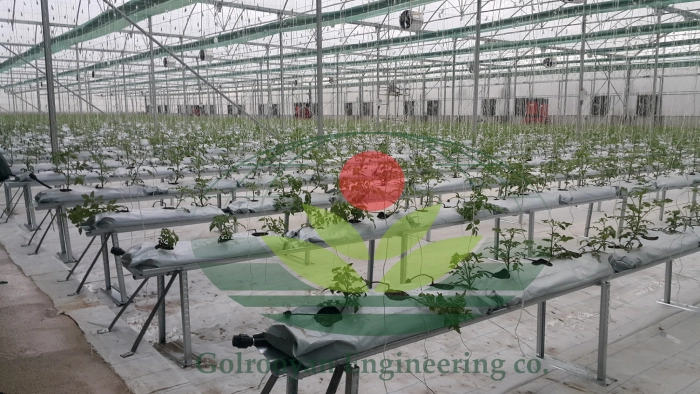
What is a Hydroponic System?
Hydroponics is a method of growing plants without soil, using water and nutrients instead.
The main advantages of this method are reduced water consumption and increased crop yield. It also eliminates soil-borne diseases and contaminants. Plants grown in hydroponic systems typically have high quality and uniform growth.
How the Hydroponic System Works:
Minerals and nutrients (which replace the role of soil) are delivered to plants using active or passive methods:
- Active systems (more common): Nutrient solution is circulated by a pump to the plant roots.
- Passive systems: No pump is used; instead, capillary action through wicks delivers nutrients.
Lighting: Plants require artificial light (e.g., LED lights) in this system. Proper pipe design and layout are critical.
Environmental factors such as temperature, light, and water pH must be monitored regularly for optimal results. Plants need 8–10 hours of light daily, and sufficient oxygen is crucial for proper growth.
- Water pH: Directly affects plant quality and growth; ideal range is 5.5–6.5.
- CO₂ levels: Essential for photosynthesis; must be maintained at appropriate levels.
Types of Hydroponic Systems:
- Nutrient Film Technique (NFT) – water culture system
- Deep Water Culture (DWC)
- Drip System
- Ebb and Flow System
- Wick System
Hydroponics is commonly used for vegetables and medicinal plants, such as lettuce, spinach, bell peppers, strawberries, rosemary, and more.
Advantages of Hydroponics:
- Increased crop yield
- Reduced water consumption
- Reduced disease and pests
- Improved plant quality
- No soil required
- Reduced energy consumption
- Efficient use of space
- Possibility of year-round cultivation
Disadvantages of Hydroponics:
- Possible reduction in taste/flavor of products
- High electricity consumption
- High initial setup cost
- Requires continuous monitoring
Essential Nutrients:
- Nitrogen (N)
- Phosphorus (P)
- Potassium (K)
- Calcium (Ca)
- Magnesium (Mg)
- Sulfur (S)
- Micronutrients
Root Substrates:
- Perlite
- Cocopea
- Vermiculite
Necessary Facilities for a Hydroponic System:
- Irrigation system
- Lighting system
- Ventilation system
- Temperature and humidity controlWater filtration/purification system
- Intelligent control system